A Journey with the Eternal Flame: A vessel of light and warmth
the path of progress and culture. This unassuming yet transformative vessel has travelled with us through millennia, lighting our homes, shaping our rituals, and inspiring our art. Let’s embark on a journey with this timeless nomad, tracing its luminous legacy through history.
How the first flame evolved into something enduring and sacred
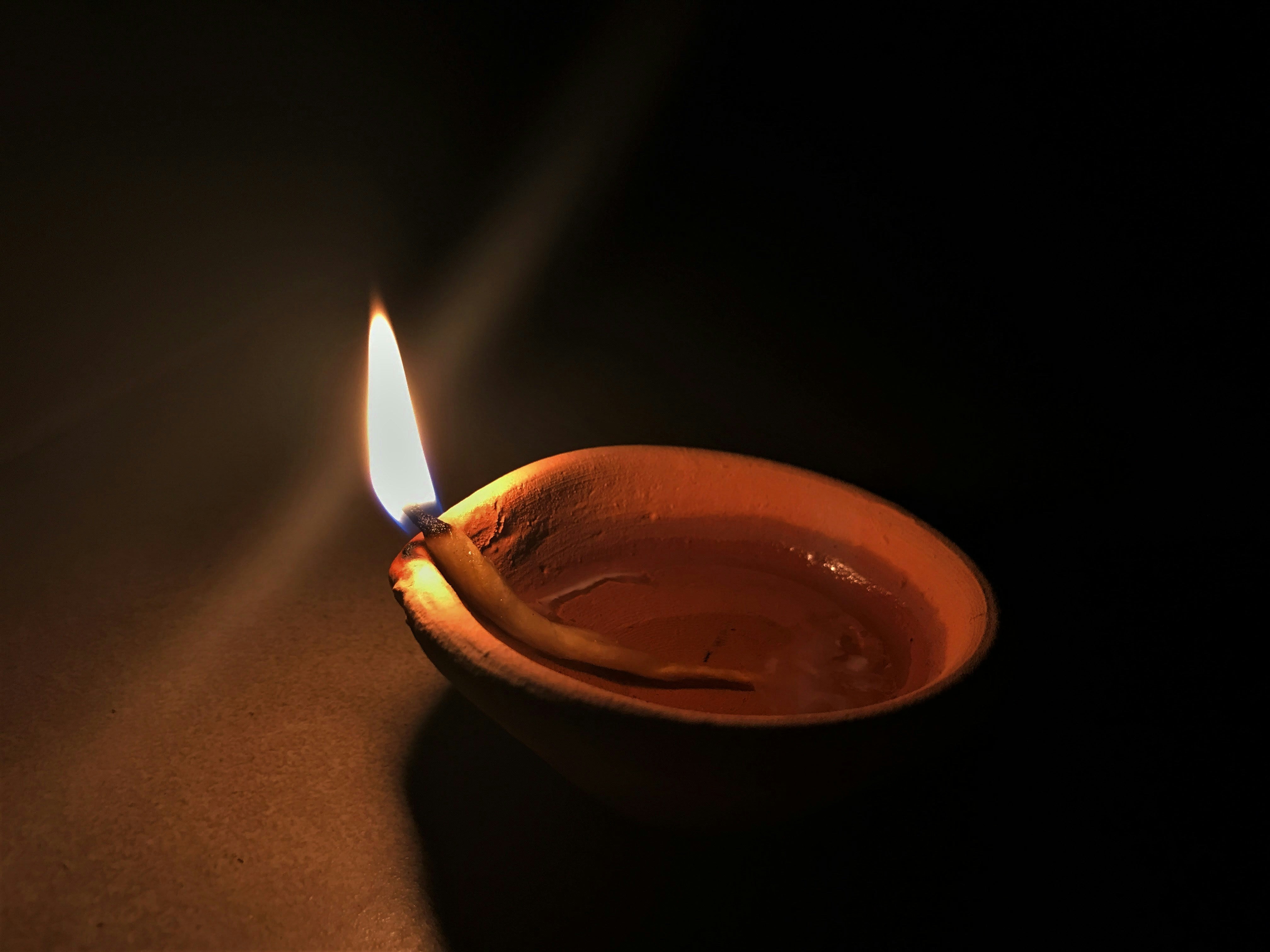
In the ancient past, before civilization took root, the first crude oil lamps emerged—simple hollowed stones filled with animal fat, an herbaceous or hair wick, and fire. These small, flickering flames were humanity's first portable light source, offering security against the dark and fostering a sense of shared space. Around their warm glow, early humans painted breathtaking images on cave walls, creating some of the earliest art known to history.
As societies grew, so did the sophistication of oil lamps. By 4500 BCE, clay lamps were common in Mesopotamia, and later, the Greeks and Romans perfected the craft. Their designs became increasingly intricate, fashioned from bronze, clay, and glass, reflecting the artistry of their makers. These lamps weren’t just utilitarian; they were sacred objects, lighting the way during ceremonies, rituals, and religious practices. The steady flame became a symbol of divine presence, perseverance, and enlightenment. From the perpetual flames of ancient temples to the lamps used in Diwali, Hanukkah, and other traditions, their light carries cultural and spiritual significance. Each flicker tells a story of continuity, of connection between the mundane and the sacred.
A Timeline
- 125,000 BC Widespread control of fire by early human
- 17,500 BC oldest documented lamp, utilizing animal fat as fuel
- c. 4500 BC oil lamps
- c. 3000 BC candles are invented.
The first industrial light, the creative flame, and the modern revival
The oil lamp was humanity's first industrialized lighting technology. Its adaptability and efficiency made it a major source of light, until the advent of electricity. Brighter and more reliable than candles, oil lamps illuminated homes, workshops, and streets, making evenings productive and safe. They became a crucial tool for explorers and tradespeople, their light guiding ships across vast oceans and caravans through dark deserts.
By their light, poets penned verses, philosophers pondered the mysteries of existence, and artists created masterpieces. The chiaroscuro brilliance of Caravaggio and the golden glow in Vermeer’s interiors owe their inspiration and realism to candle and oil lamps. These works immortalized the play of light and shadow, a testament to the lamp’s enduring influence on human creativity.
Though modern lighting has transformed the way we live, the oil lamp has never truly faded. Today, it finds itself reborn. Traditional shapes are celebrated once more—both as symbols of heritage and in contemporary designs. LED lamps now mimic the soft glow of oil lamps, bridging the past and the present, reminding us of their enduring charm.
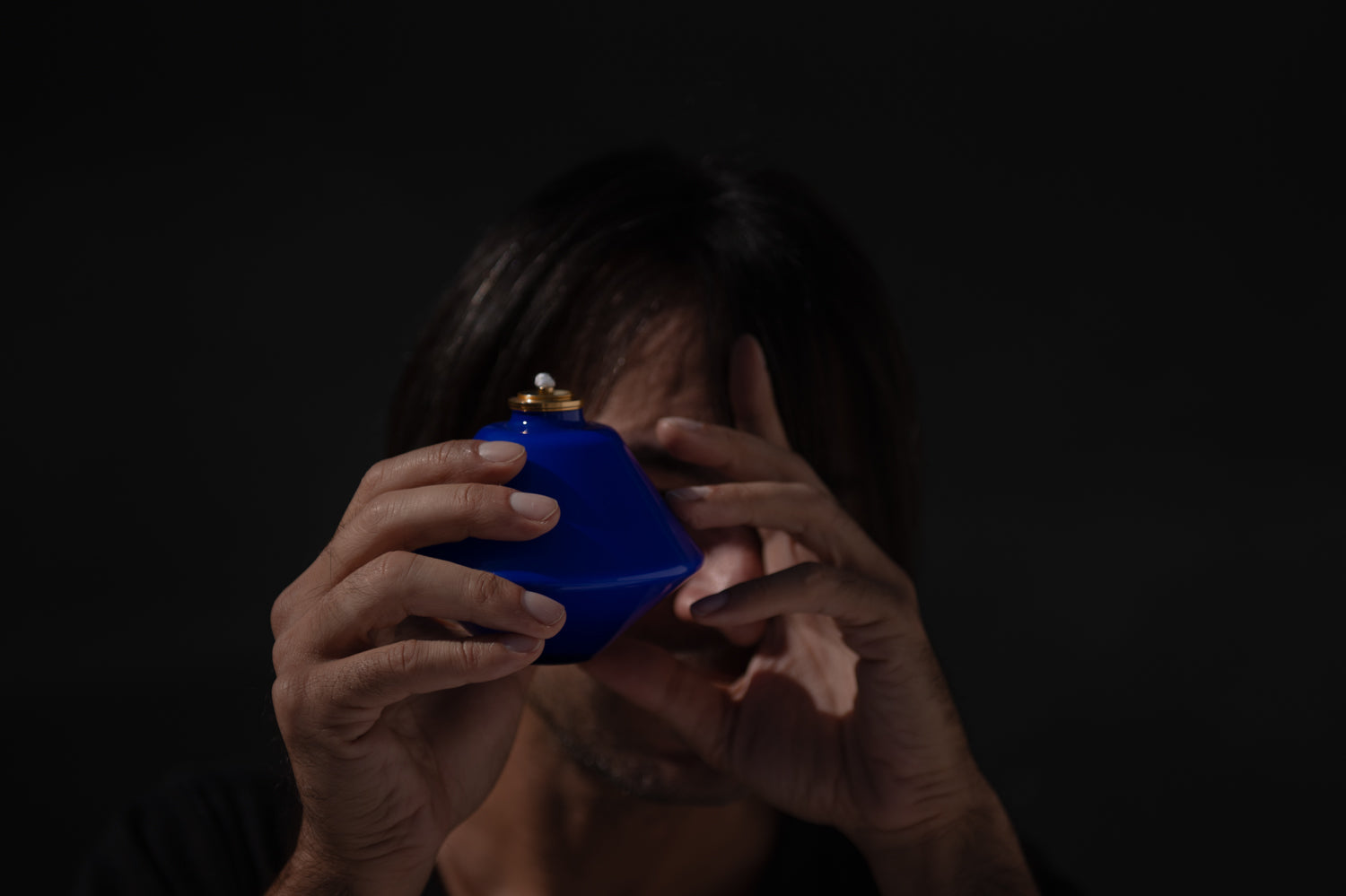
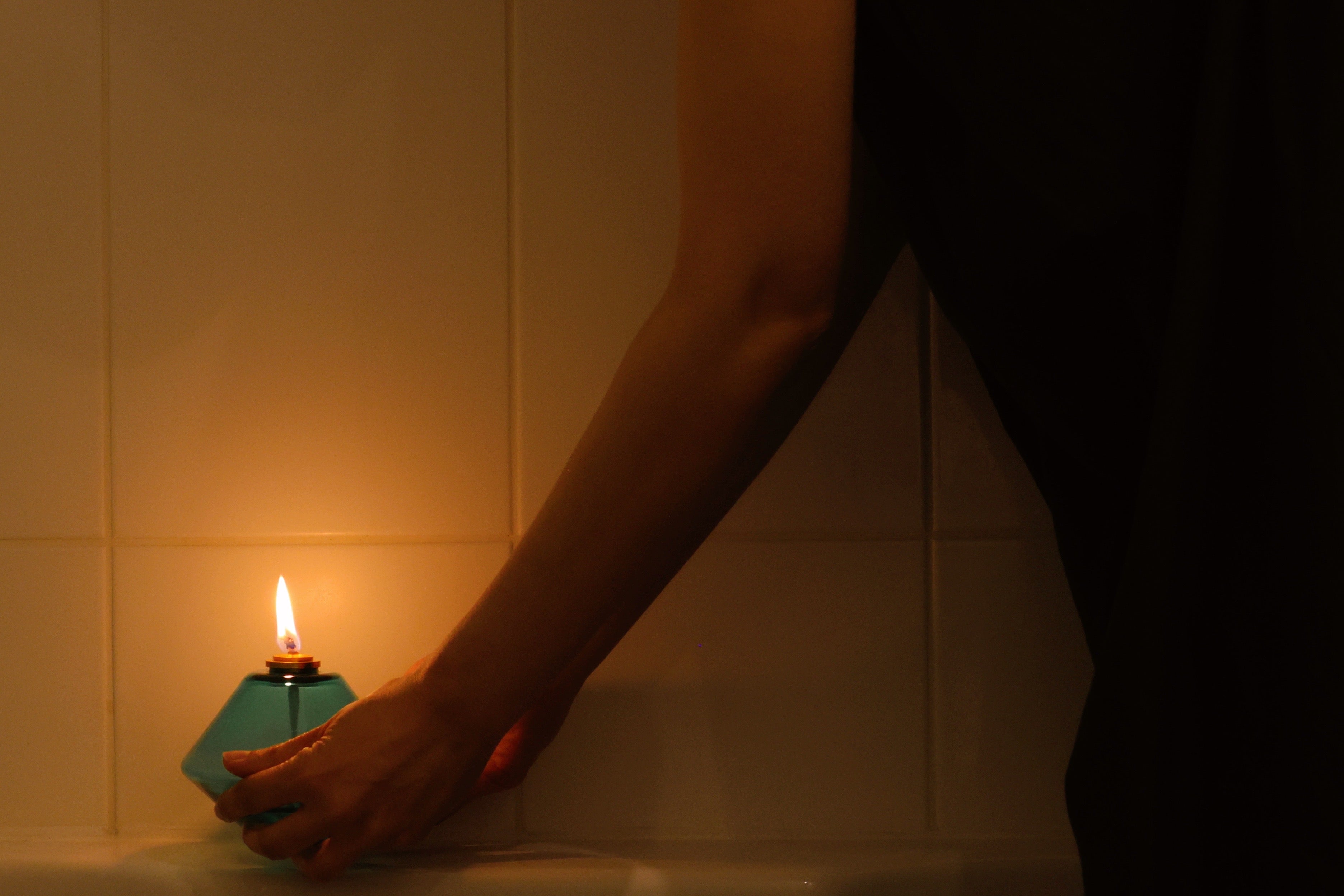
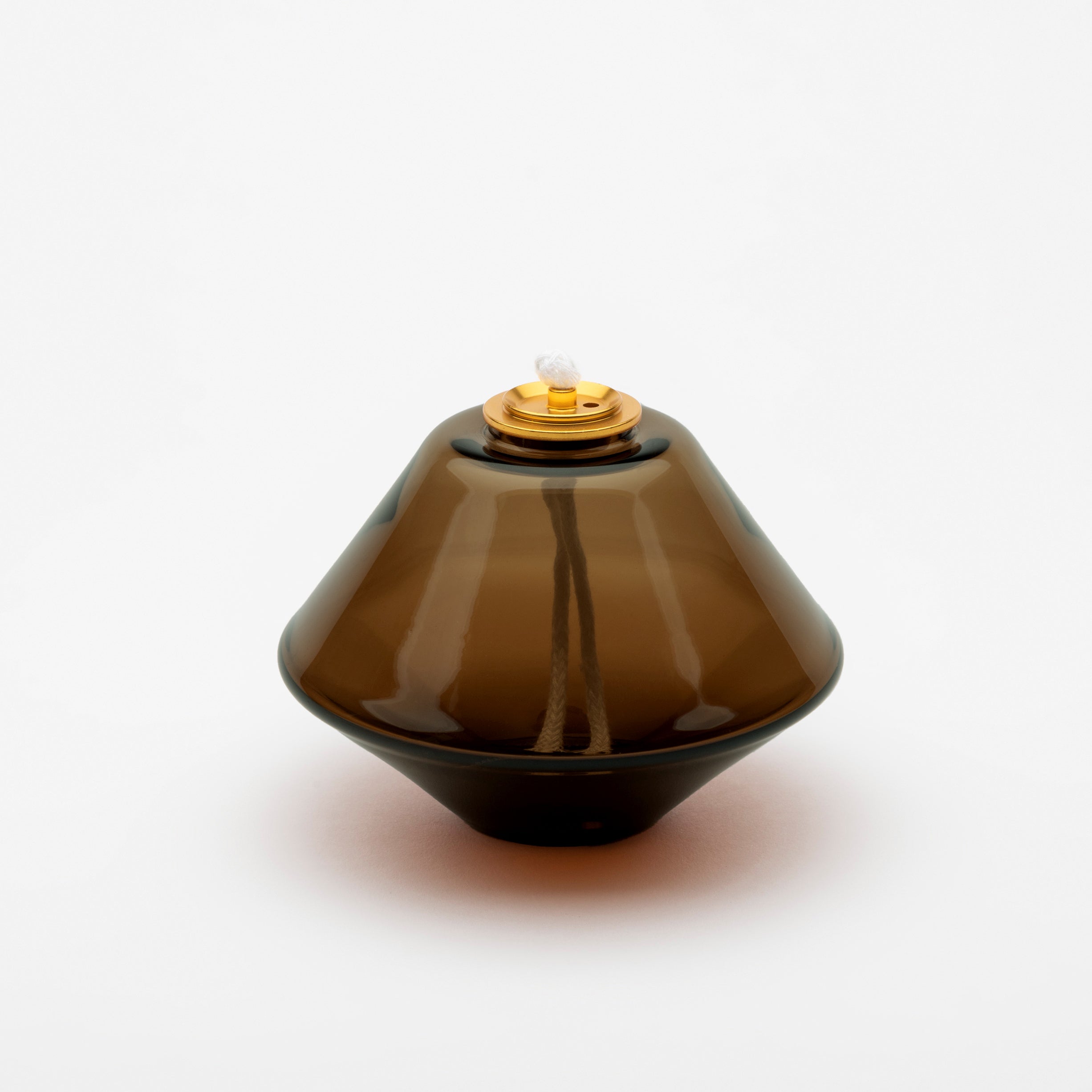
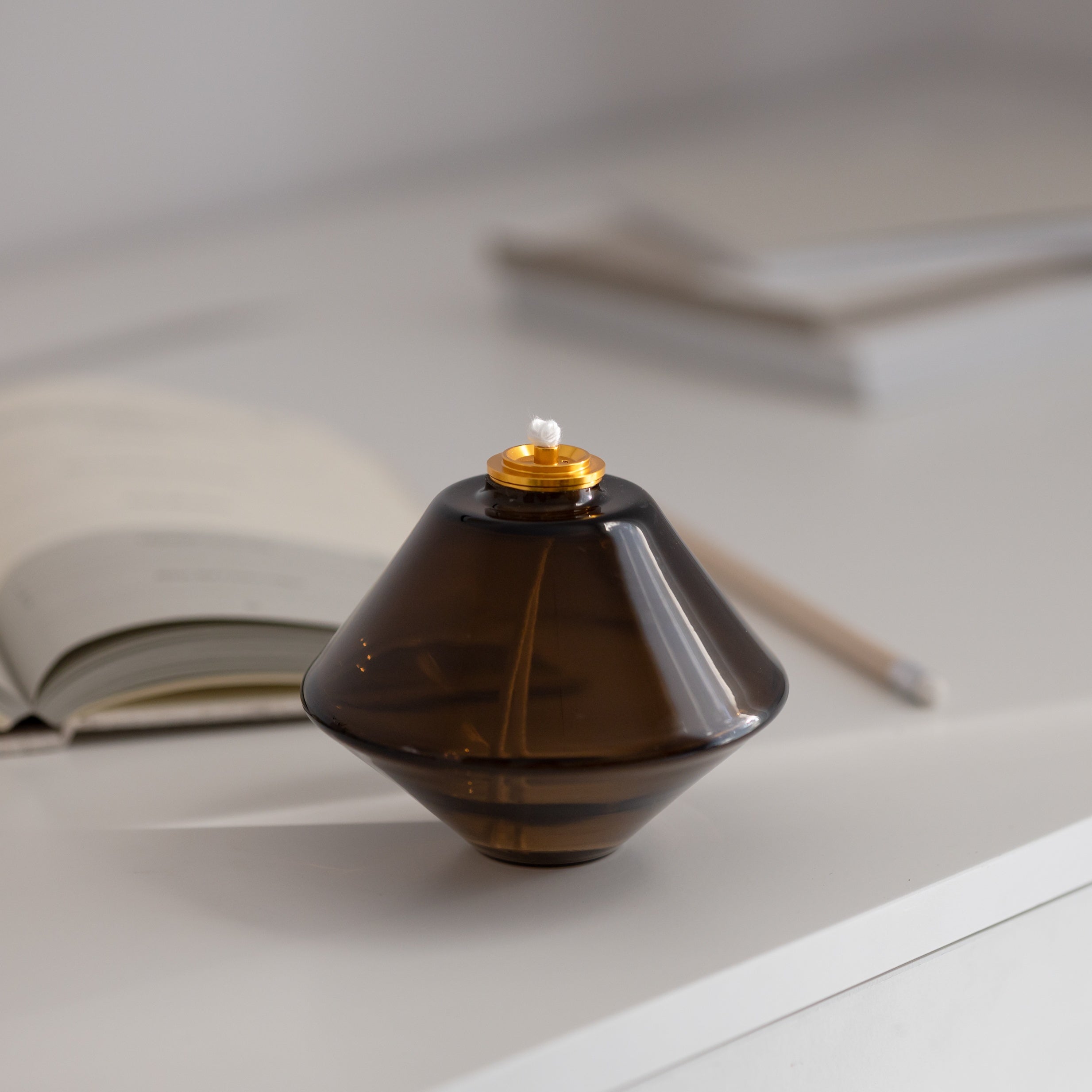
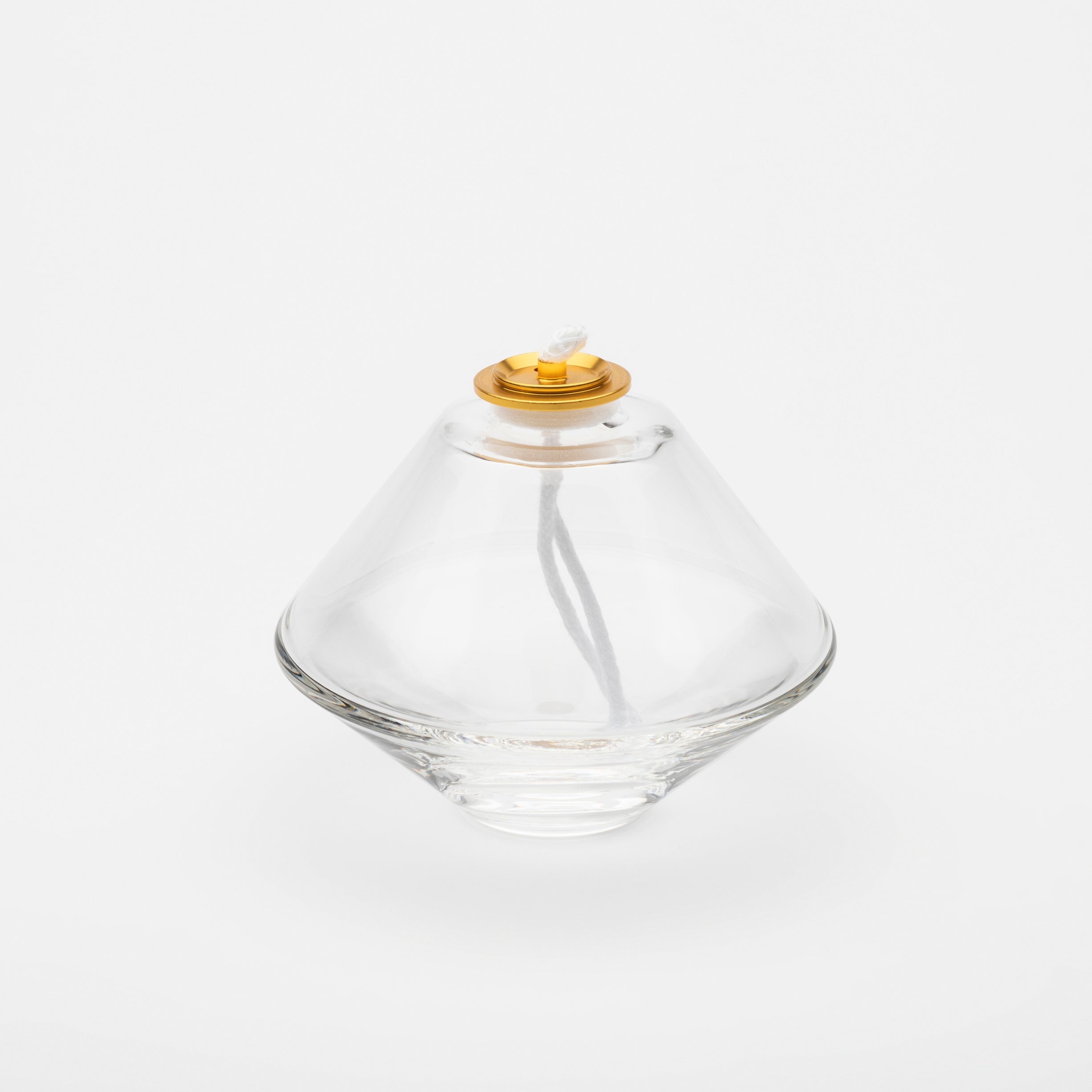
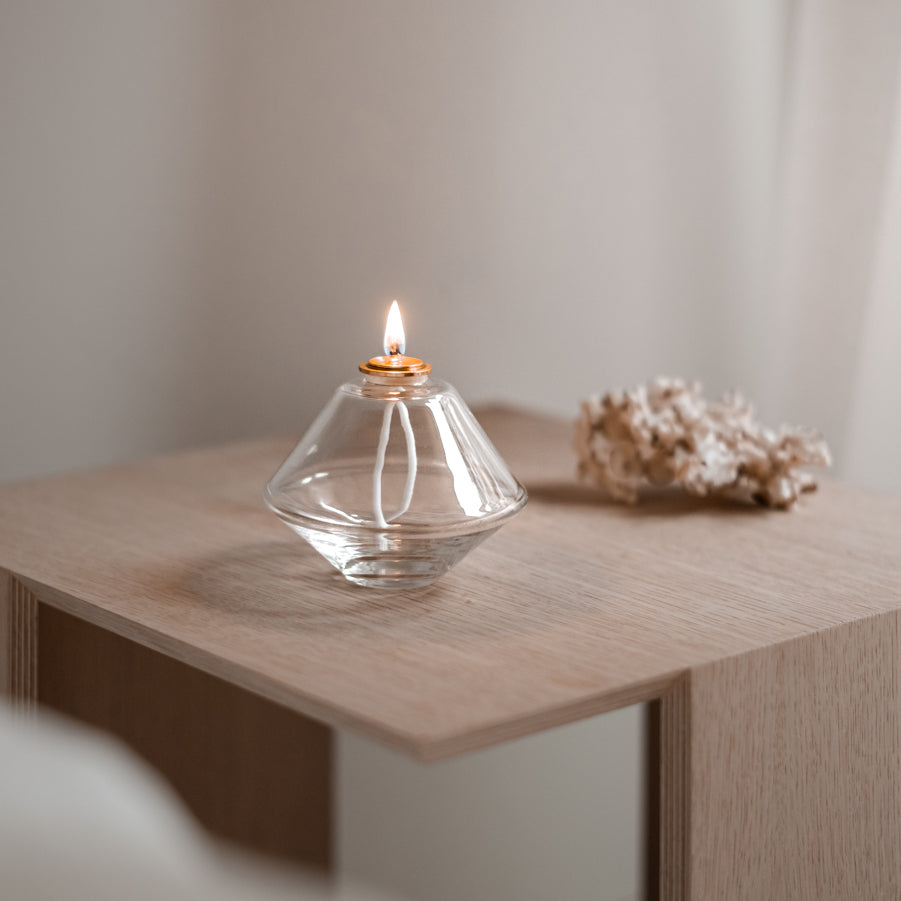
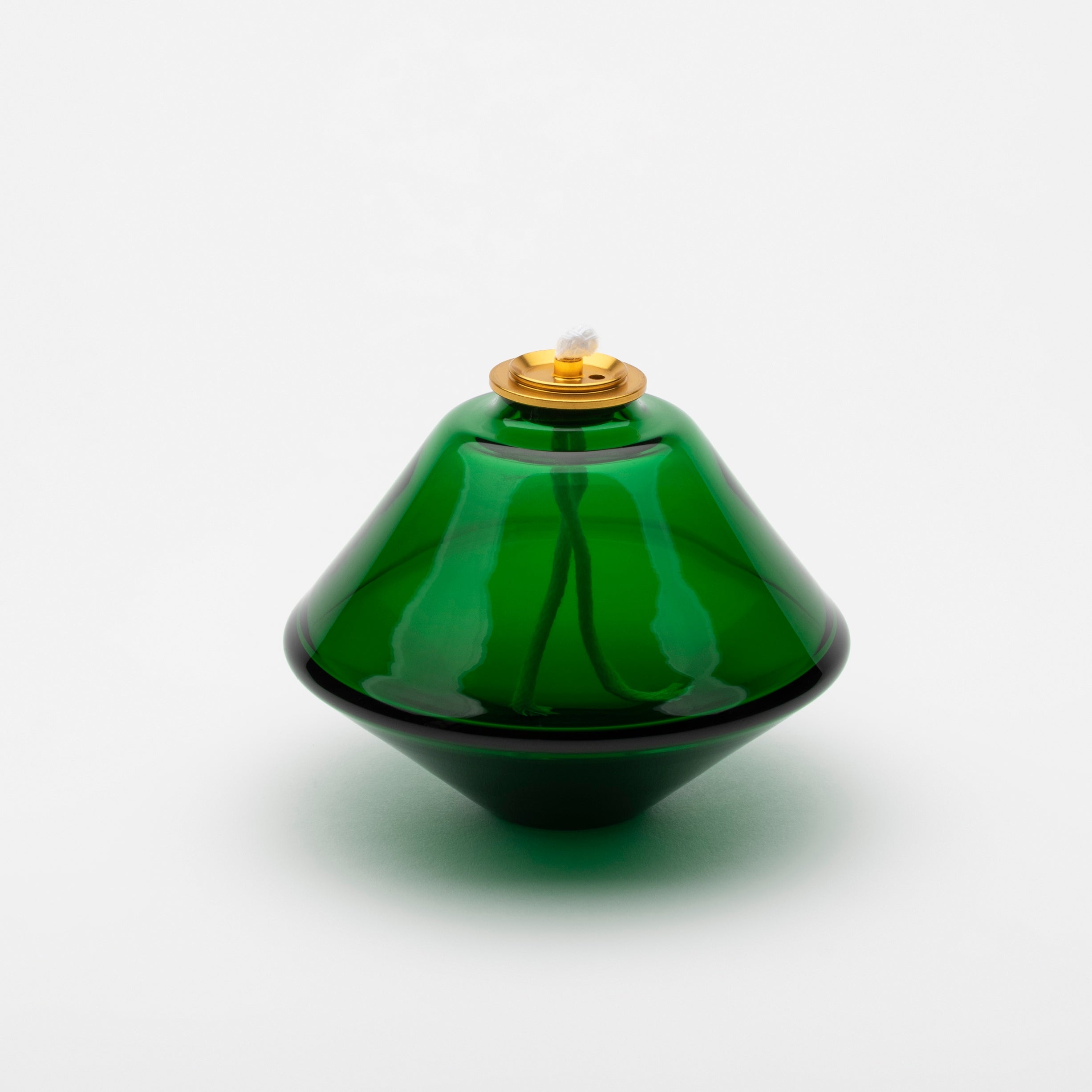
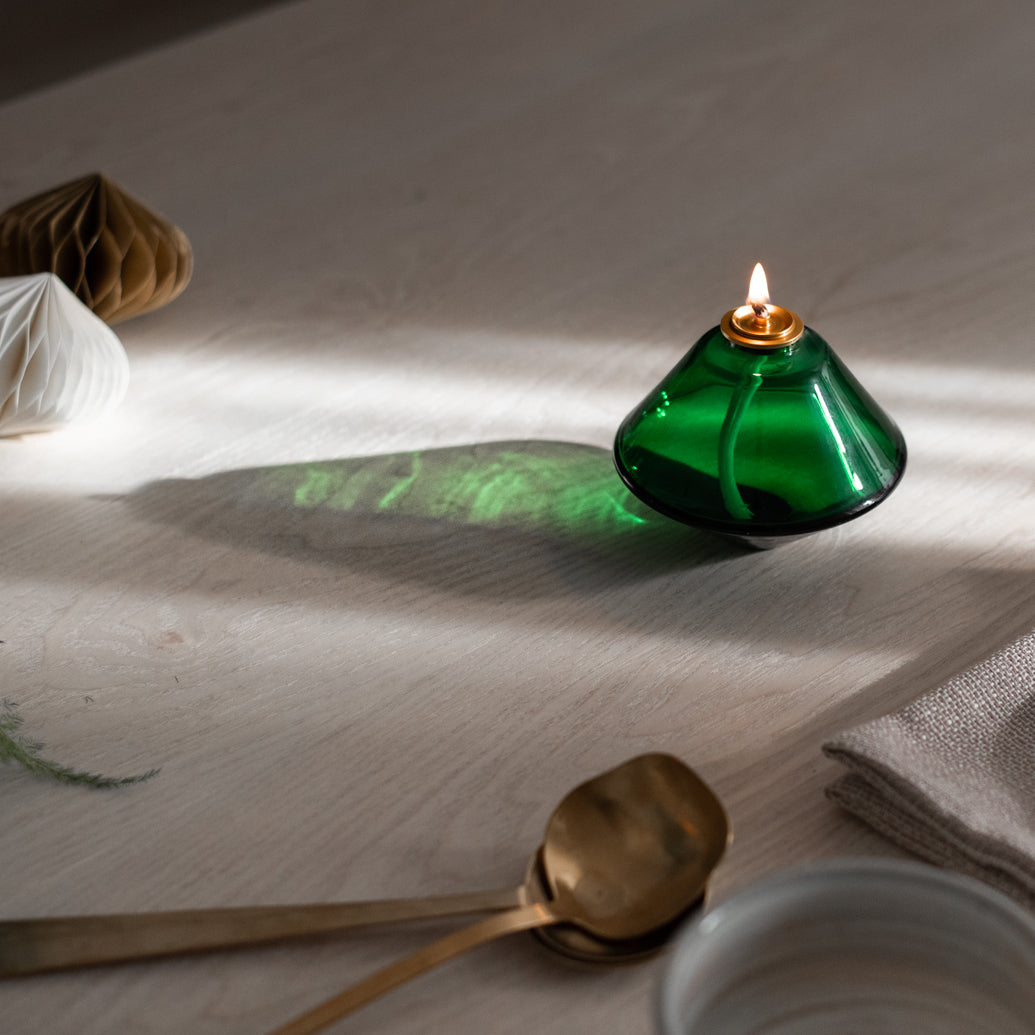
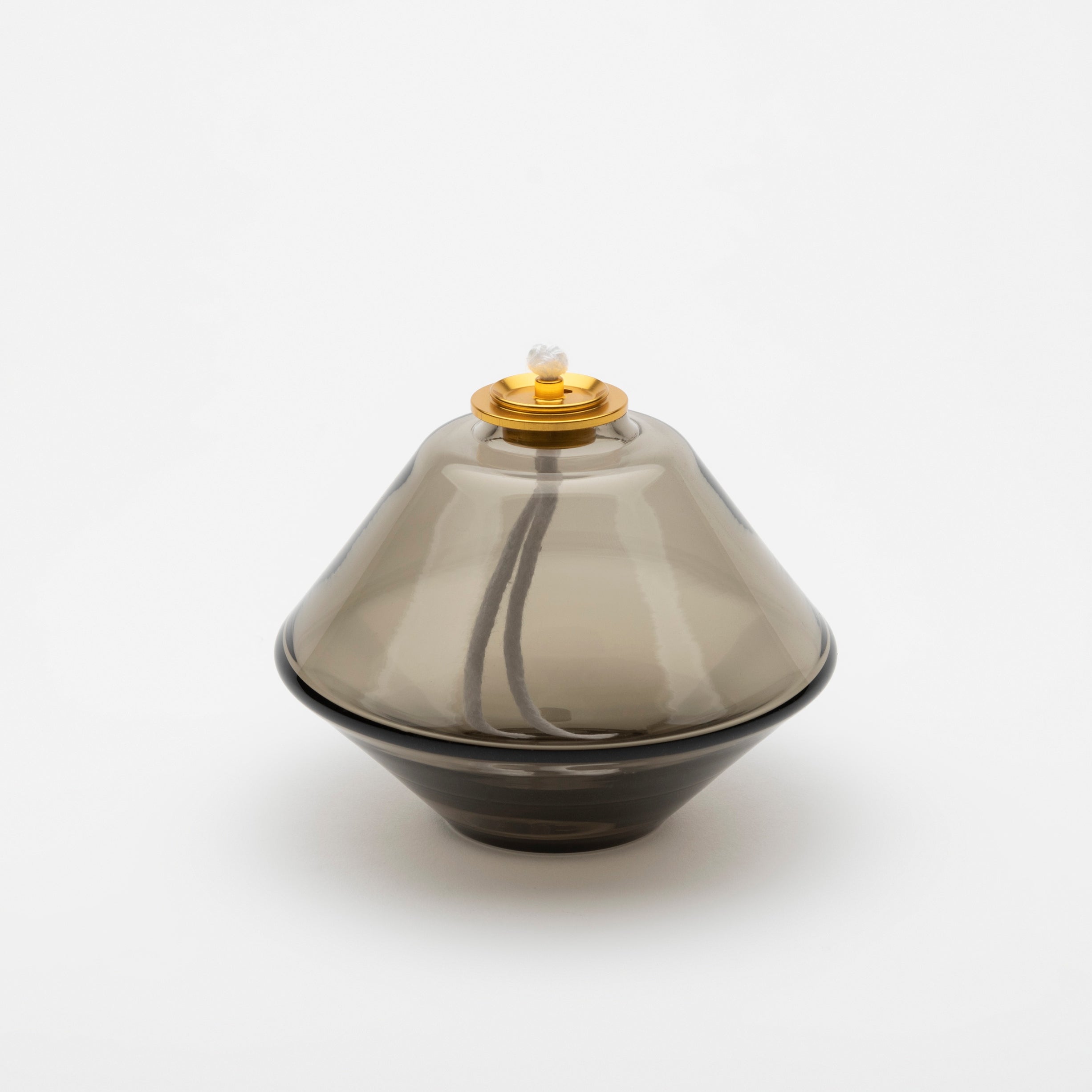
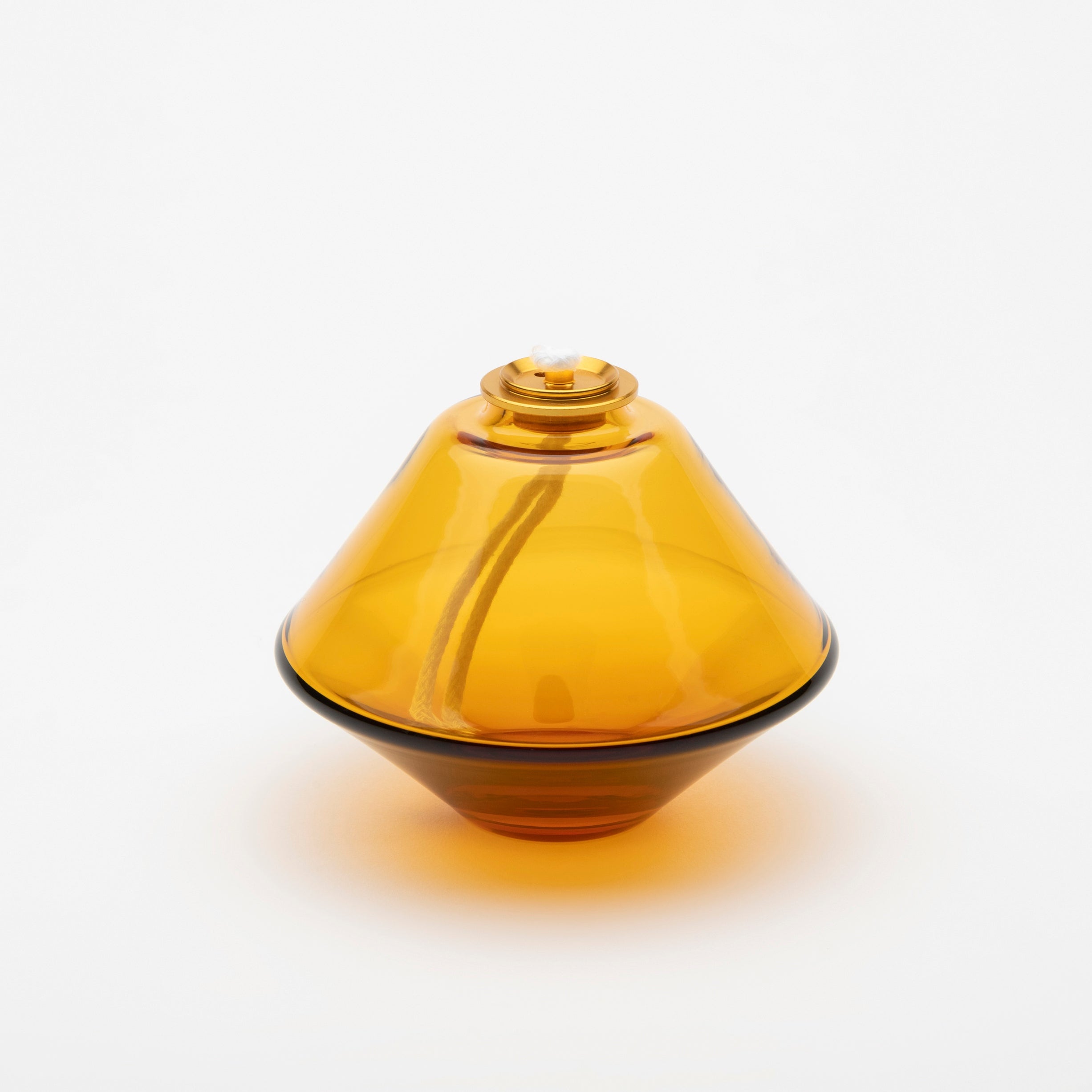
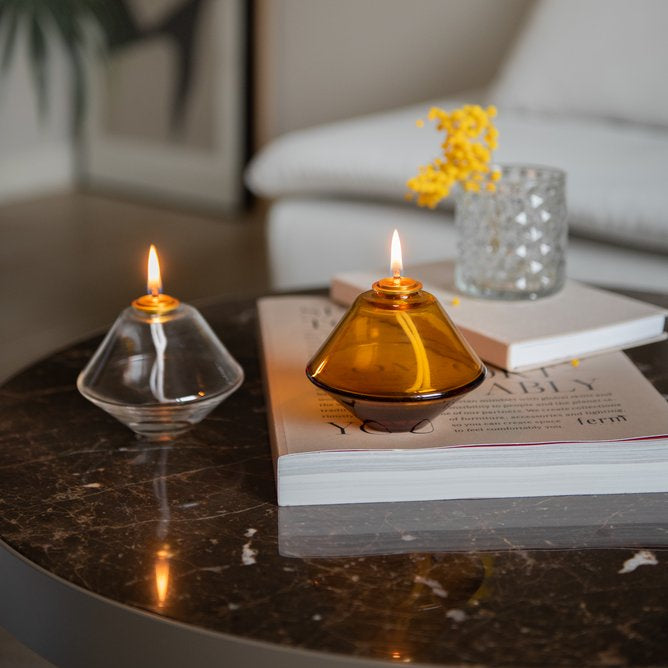
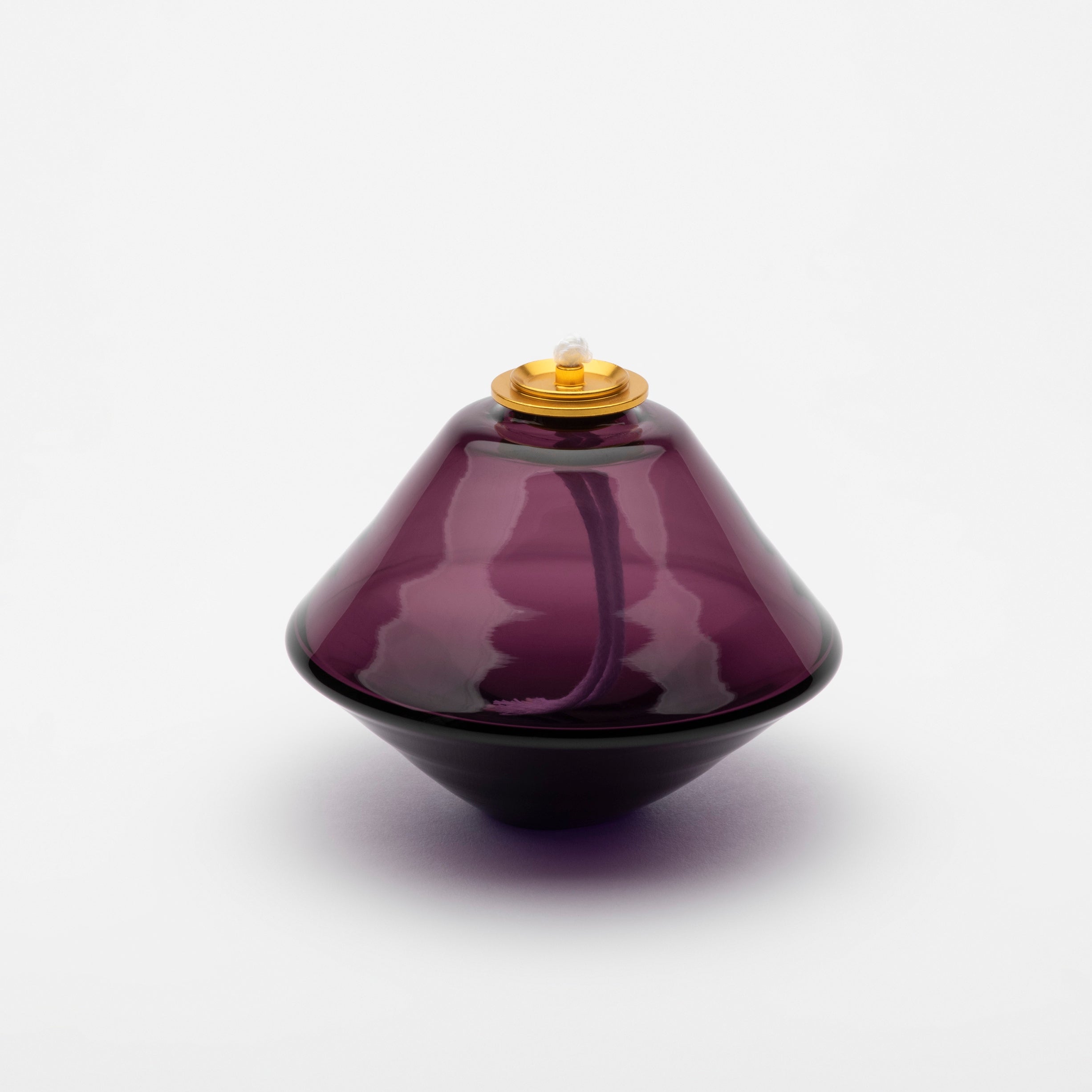
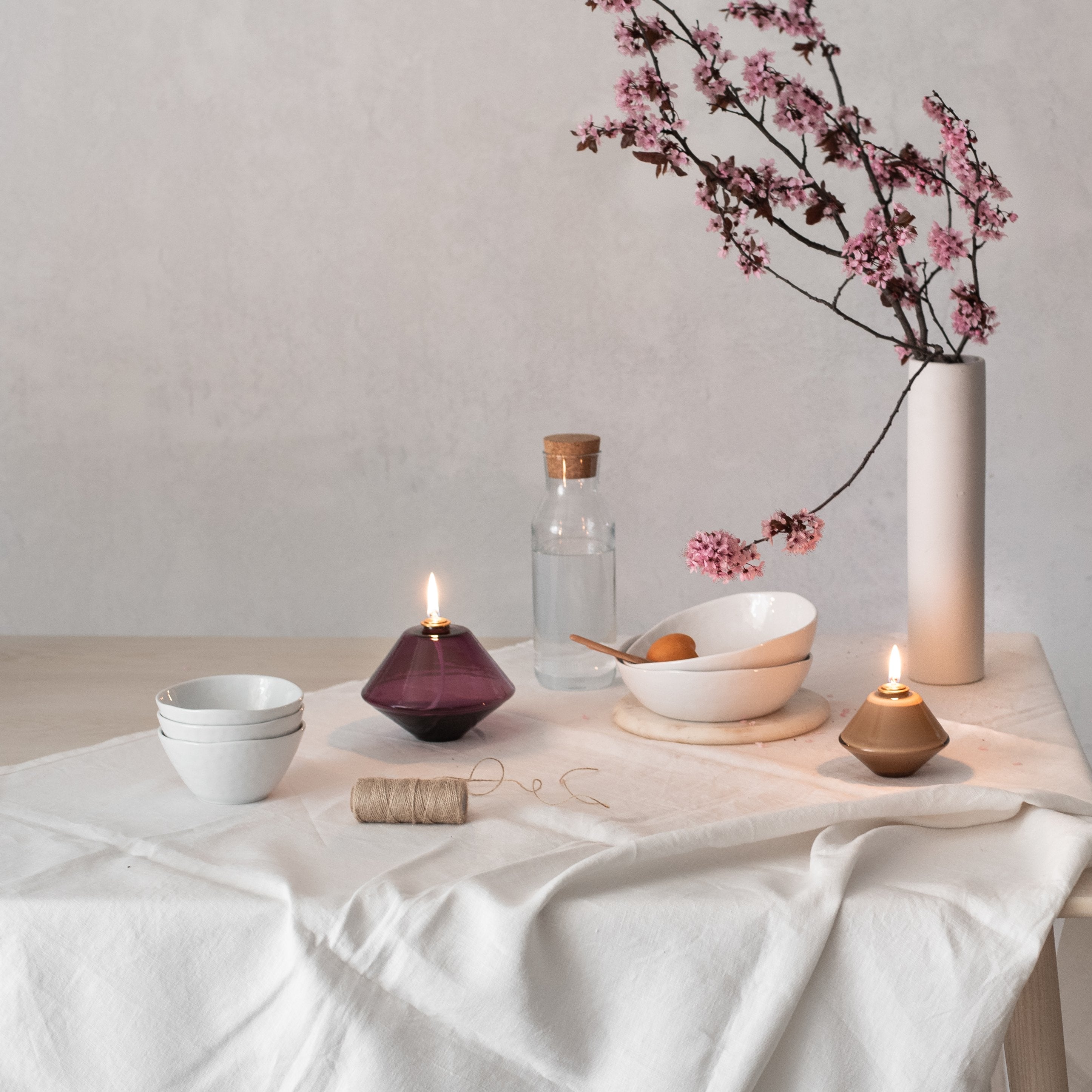
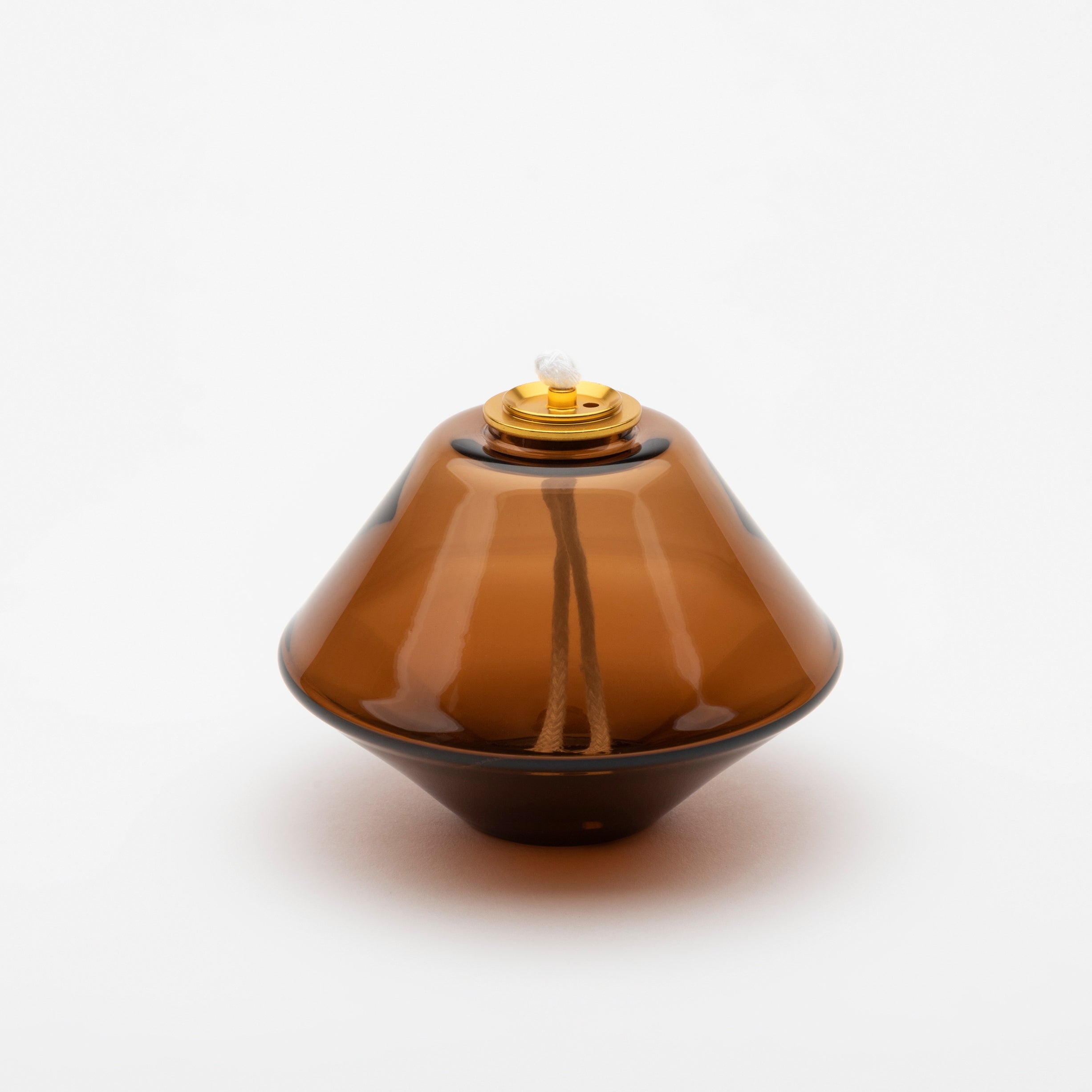
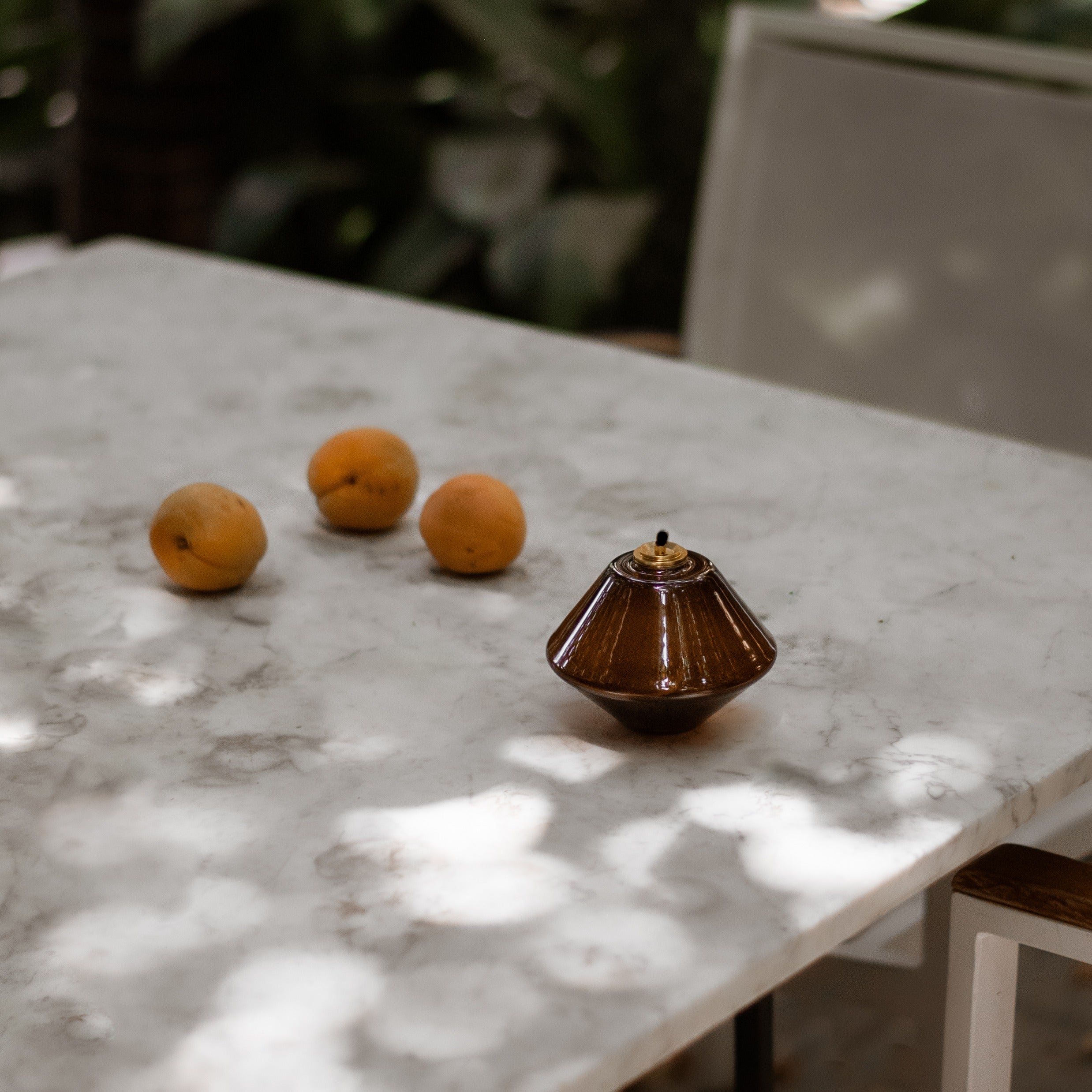
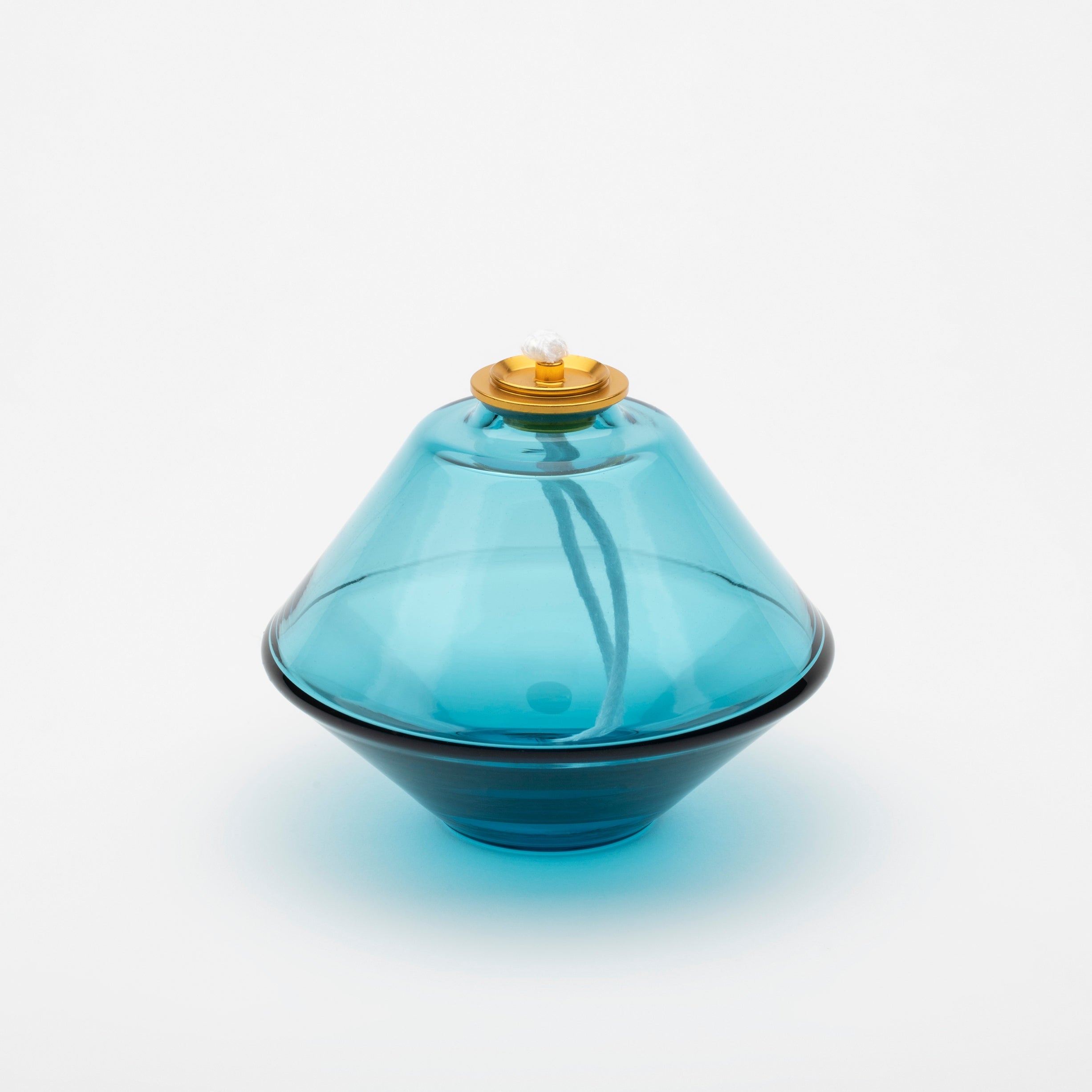
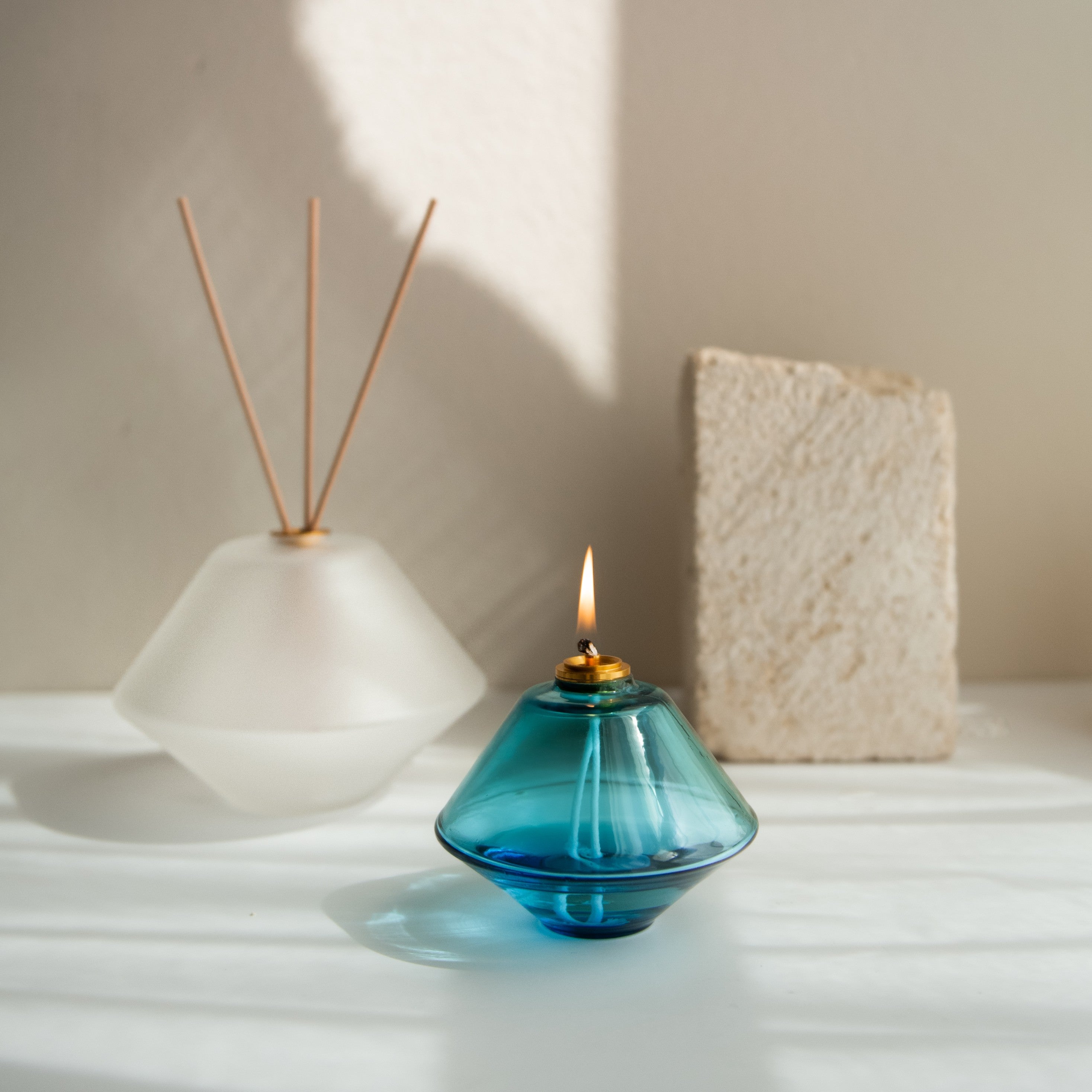
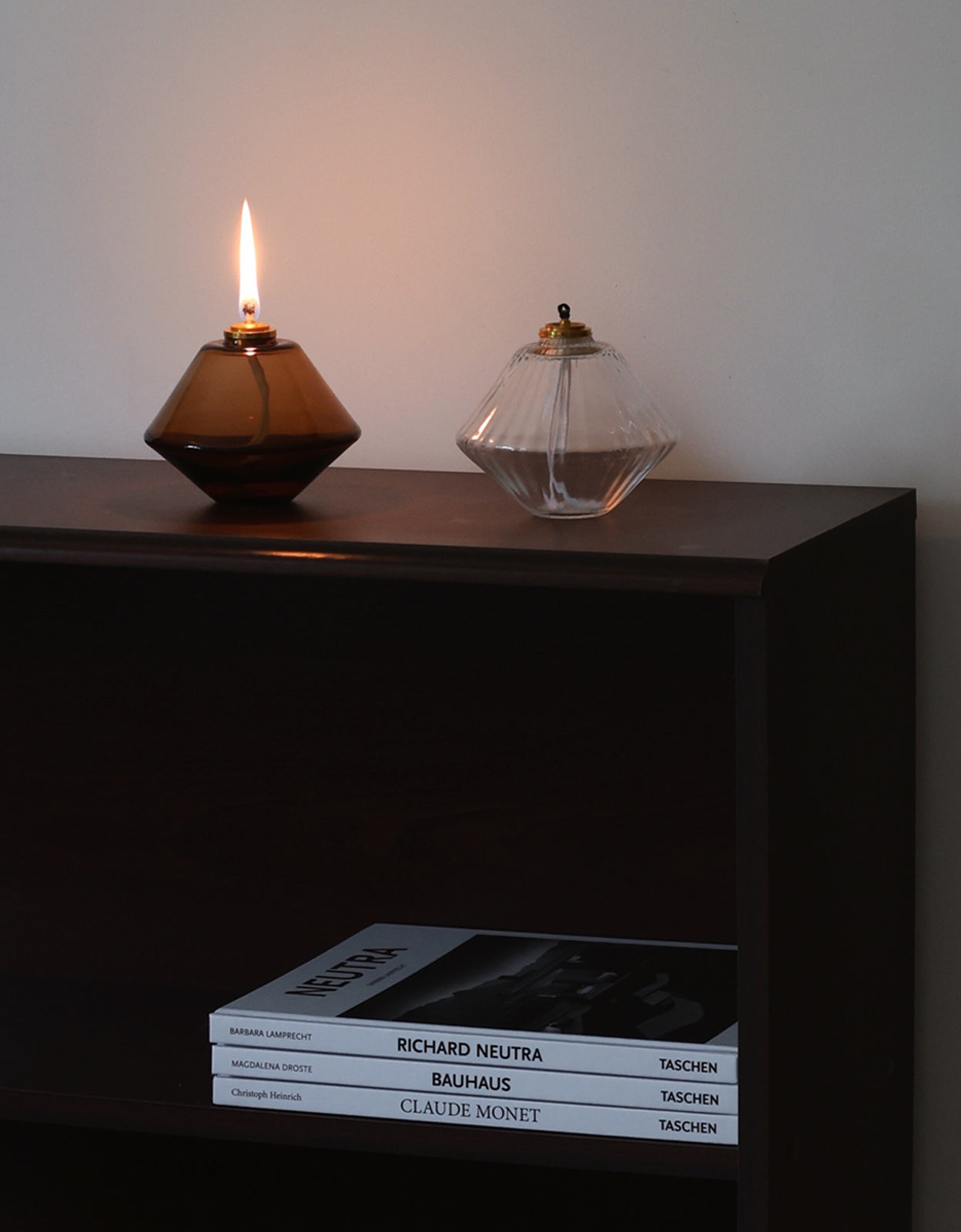
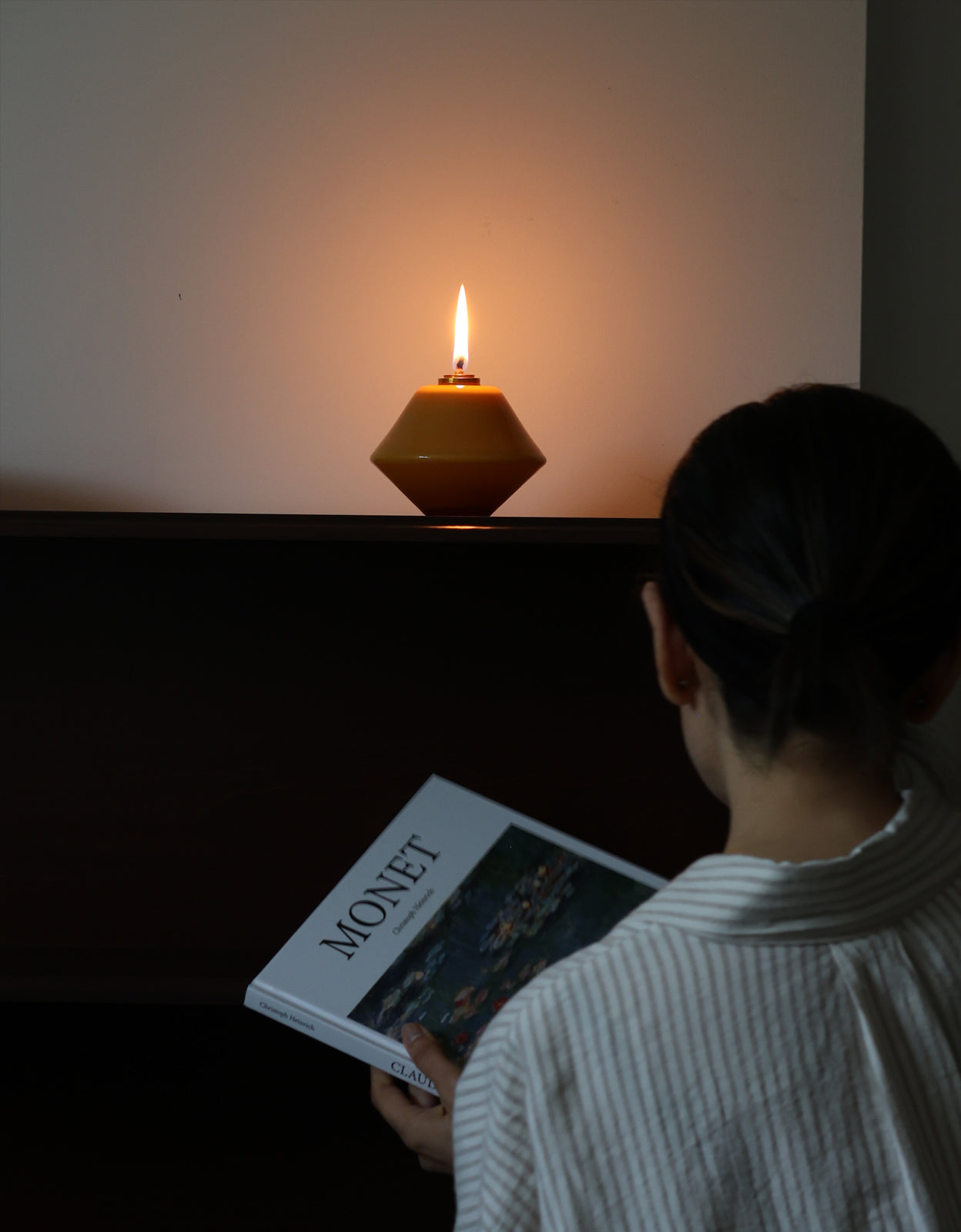
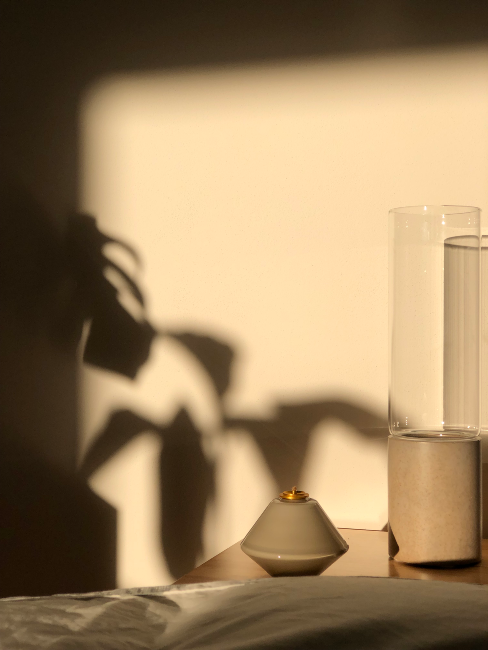
And yet, innovation takes the oil lamp further. Our AKI oil lamp stands apart, a reinvention of this timeless vessel. Its geometric design—modern and striking—brings a fresh identity to an ancient form. When placed on its side and accidentally nudged, AKI swirls gracefully like the turning dervishes, embodying a sense of calm movement and poetry. Cleverly designed, it refuses to spill or overturn, making it as practical as it is mesmerizing. A lamp for today, AKI reimagines an age-old companion for contemporary lives, breathing new life into a story that began thousands of years ago.
The Contemporary Glow
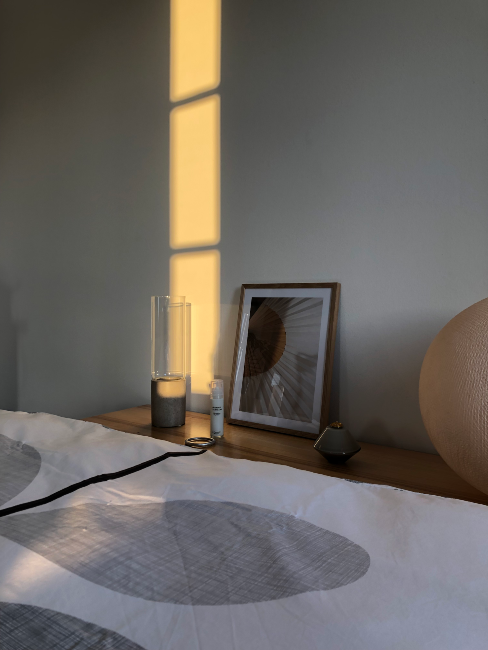
Even in today’s age of electricity, the oil lamp endures as a contemporary vessel. It evokes nostalgia, serves as a design piece, and continues to light ritual spaces. Its humble, flickering flame reminds us of a shared human journey—of how far we’ve come and the traditions we still carry forward.
The oil lamp, humanity’s luminous nomad, has witnessed our history and illuminated our progress. From the dark caves of prehistory to the glowing galleries of art, it has been both a tool of survival and a beacon of inspiration. As we light the flame, we honour its enduring legacy—a symbol of light in the darkness, of art, and of human resilience.