
Illuminating Minds: The Connection Between Light and Wellness
Light is more than something we see by—it's a fundamental force that shapes our mental and physical wellbeing. Every day, light signals our bodies when to wake, when to focus, and when to rest. It influences our mood, our energy, our sleep, and even our long-term health. Yet in our modern world of screens and artificial illumination, we've disrupted this ancient relationship, often without realizing the cost.
Understanding how light affects us—and choosing our light sources wisely—may be one of the simplest yet most profound changes we can make for our wellness.
The Science: How Light Shapes Our Biology
At the heart of light's impact on wellness is the circadian rhythm, your body's internal 24-hour clock. Located in the suprachiasmatic nuclei (SCN) of the brain, this biological timekeeper orchestrates everything from sleep and hormone production to metabolism and mood. Light is the primary factor that synchronizes our internal biological rhythms to the 24-hour solar day through a pathway from the retina.
The mechanism is elegant. When light enters your eyes, specialized cells in the retina detect it and send signals to your brain about the time of day. Exposure to light suppresses melatonin secretion, a hormone that signals your body it's time to sleep. Your pineal gland automatically releases extra melatonin when the sun goes down, telling your body it's time to rest.
This system evolved over millions of years to respond to natural light—bright days and dark nights, sunrise and sunset. But we no longer live in that world.
The Modern Light Crisis
The availability of artificial light has substantially changed our light environment, especially during evening and night hours, increasing the risk of circadian rhythm disorders caused by misalignment between our internal rhythms and external light-dark cycles.
The problem is particularly acute with blue light. Research shows that blue light suppresses melatonin for about twice as long as green light of comparable brightness and shifts circadian rhythms by twice as much (3 hours versus 1.5 hours). Our screens—phones, tablets, computers—emit precisely this disruptive blue light, especially during evening hours when our bodies should be winding down.
With the shift to remote work and hybrid models, many people spend long hours indoors under artificial lighting. Co-working spaces and home offices often fail to provide adequate natural light. However, this lifestyle shift also brings opportunities. A renewed appreciation for natural light sources and intentional evening rituals offers practical solutions to these challenges.
The Mental Wellness Connection: A Holistic Approach
Light affects wellbeing through multiple pathways including circadian rhythm regulation, mood enhancement, and sleep quality improvement.
The quality of light in our homes and workplaces influences our mood, focus, and sense of calm. Harsh fluorescent lights can increase anxiety and eyestrain. Warm, natural light promotes relaxation and mental clarity. Combined with regular exercise, mindful eating, social connection, and stress management, proper light exposure becomes part of a comprehensive wellness practice.
What makes this issue so significant is its universality. Light affects everyone equally, we all share the same biological need for proper light exposure. Throughout history, humans gathered around the evening fire not just for warmth and protection, but because firelight provided the right kind of illumination. The warm, amber glow of flames lacks the blue wavelengths that disrupt our circadian systems. This isn't nostalgic thinking—it's biological wisdom.
Creating Your Light-Conscious Life
Transforming your relationship with light doesn't require expensive technology or major lifestyle changes. It requires awareness and intentional choices.
Morning Light: Your Daily Reset
Morning exposure to bright, natural light is essential. It resets your circadian rhythm, signalling your body to wake up and energizing you for the day ahead. Even a brief morning walk or sitting by a sunlit window can make a significant difference.
The practical application is simple: seek bright light early in your day. Open your curtains, take your coffee outside, walk to work if possible. These small acts synchronize your internal clock and set the stage for better sleep 16 hours later.
daily practices:
- Maximize natural light exposure, especially in the morning
- Position work areas near windows when possible
- Take breaks outdoors to reset your circadian rhythm
- Use bright, full-spectrum lighting for focused work
Evening Light: The Art of Transition
If morning light is about activation, evening light is about transition. Experts recommend avoiding bright screens beginning two to three hours before bed. But simply avoiding harmful light isn't enough—we need to replace it with something better.
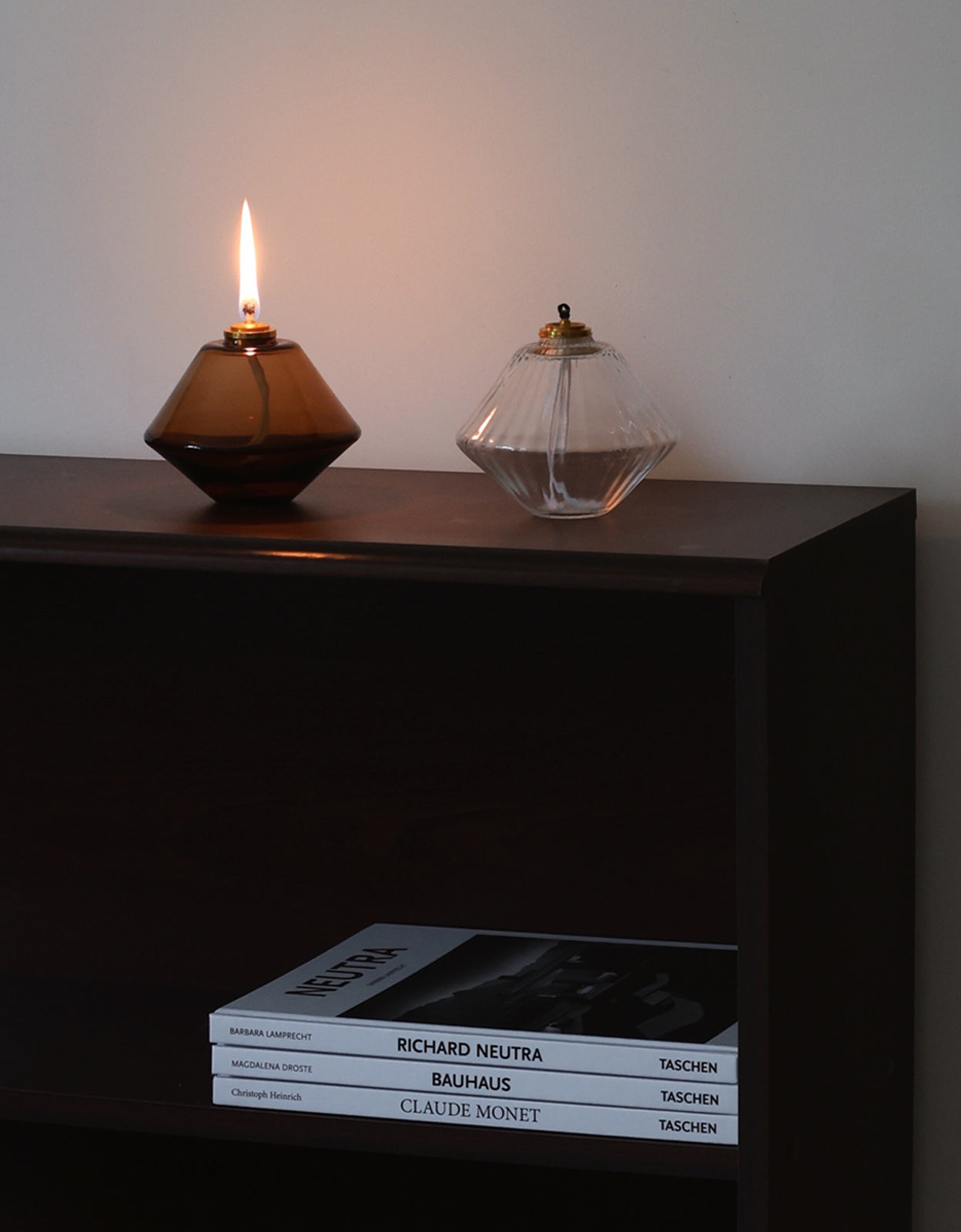
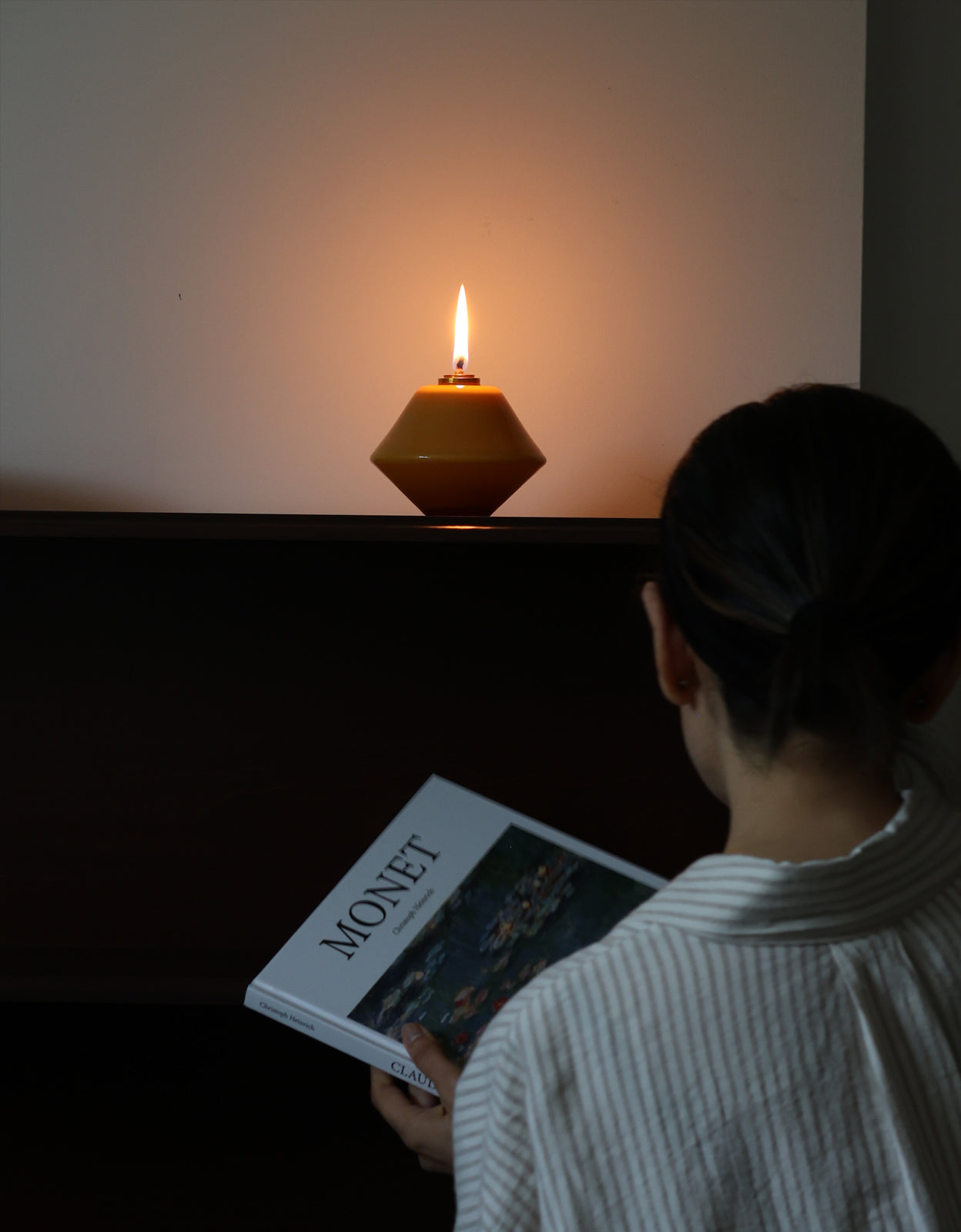
This is where warm, natural light sources become essential. An oil lamp provides illumination that respects your circadian rhythm. At around 20-30 lux AKI gives enough light for evening activities—reading, conversation, reflection—without suppressing melatonin production. It's bright enough to see by, soft enough to relax with. The warm, amber glow signals to your body that the day is ending, allowing a natural transition toward sleep.
daily practices:
- Dim your environment at least 90 minutes before bed
- Transition away from screens and overhead lights
-
Light an oil lamp for reading, conversation, or quiet activities
- Create a "digital sunset" ritual that marks the transition to evening
-
Keep your bedroom cool (18°C) to enhance the benefits of proper lighting
- Consider pairing your evening light ritual with journaling or meditation
The Ritual of Evening Light
There's something deeply human about lighting a flame as the day ends. It's a ritual our species has performed for hundreds of thousands of years. An oil lamp isn't just a light source—it's a ritual object that connects us to this universal heritage. When you light one in your home, you're performing an act that transcends time and culture, acknowledging that despite all our technological advances, we remain biological beings with ancient needs. connection to the rhythms that bind us all.
The soft glow creates a cocoon of calm, a boundary between the demands of the day and the restoration of night. It invites slowness, presence, conversation. It transforms the quality of your evening from something to rush through to something to savour.