Made by Fire: The Magic of Glass
Glass is born of fire. This simple truth connects every glass object you've ever held—from a drinking glass to a cathedral window, from a lightbulb to an oil lamp—to one of humanity's most ancient and transformative discoveries.
For over 4,000 years, we've been captivated by this material that shouldn't exist: solid yet see-through, fragile yet incredibly strong, ancient yet perfectly modern. Glass is proof that fire doesn't just destroy—it creates.
A Material Born from Flame
The story begins in Mesopotamia and Egypt, where ancient artisans working with intense heat accidentally melted silica-rich sand into a glossy, translucent substance. It must have seemed like magic—common sand transformed by fire into something entirely new.
Today, watching a glassblower work still feels magical. The molten glass glows orange-red like lava as it's pulled from the furnace at temperatures exceeding 2,000°F. The craftsman gathers it on a blowpipe, spinning and shaping it while the material remains pliable. With a skilled breath, formless matter becomes form. The crackling of the furnace, the rhythmic spinning, the delicate timing—it's a performance that hasn't changed in millennia.
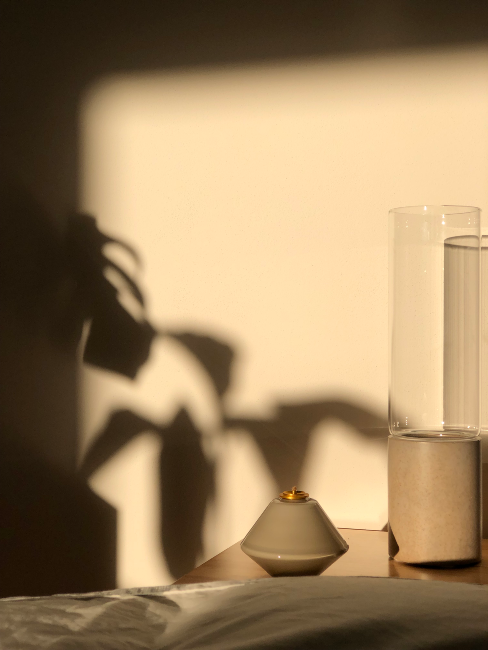
This is how each AKI oil lamp begins: as sand, transformed by fire into something both beautiful and functional. The process itself embodies what our lamps represent—the transformative power of fire and the connection between ancient craft and modern life.
Glass: Neither Liquid nor Solid
Here's where glass gets interesting. Scientifically, glass is an amorphous solid—it's neither fully liquid nor fully solid. Its atomic structure is disordered, frozen in time like a snapshot of liquid cooling too fast to form crystals. This unusual structure is what gives glass its transparency and versatility.
This in-between state makes glass endlessly adaptable. It can be tinted with metallic oxides, shaped into any form, etched with patterns, or left perfectly clear. It's why the same material works for smartphone screens, architectural facades, scientific instruments, and oil lamps. Glass doesn't fit neatly into categories—and that's exactly what makes it remarkable.
The Great Equalizer
Glass has always been democratic. While it started as a luxury for the elite—beads and ornaments for the wealthy—it quickly became essential to everyday life. A medieval peasant's window and a cathedral's stained-glass masterpiece were made from the same material, born of the same fire.
Today, glass remains a great equalizer. It's in our homes and skyscrapers, our laboratories and artworks. An AKI oil lamp is both an ordinary household object and a collectible design piece. This duality—humble yet extraordinary—is part of glass's enduring appeal. It reminds us that beauty and function aren't opposites, and that what serves everyone can still be special.
Glass in the Modern World
Walk through any city and you'll see glass defining our skylines. The mid-century modern movement embraced glass for its honesty and clarity. Architects like Philip Johnson and Ludwig Mies van der Rohe used vast glass facades to dissolve boundaries between inside and outside, creating structures that were both functional and sculptural.
This wasn't new thinking—it was ancient wisdom applied to modern needs. Glass has always been about connection and transparency, about letting light in while providing shelter. The same principles that guided medieval glassmakers guide contemporary architects.
In your home, glass plays countless roles. It holds your morning coffee, insulates your windows, protects your photographs, and—when shaped into an oil lamp—brings the ancient comfort of firelight into modern spaces. Each use demonstrates glass's remarkable versatility.
Fragile Yet Indestructible
The paradox of glass is that it's both fragile and incredibly resilient. Yes, it can shatter. But consider borosilicate glass withstands extreme temperature changes without cracking. Tempered glass is designed to shatter into harmless fragments rather than dangerous shards. Glass can be exposed directly to flame without melting—your Pyrex cookware and fireproof windows prove this daily.
And here's the most remarkable quality: glass can be recycled infinitely. Melted down and reformed countless times without losing quality or clarity, glass embodies perpetual transformation. The glass in an ancient Roman vessel could theoretically become part of a modern building, then an oil lamp, then something else entirely.
This makes glass not just sustainable, but eternal. When you choose a glass oil lamp, you're choosing a material that will outlast trends, fashions, and even civilizations. It's a material worthy of holding something as timeless as flame.
Why Glass for an Oil Lamp?
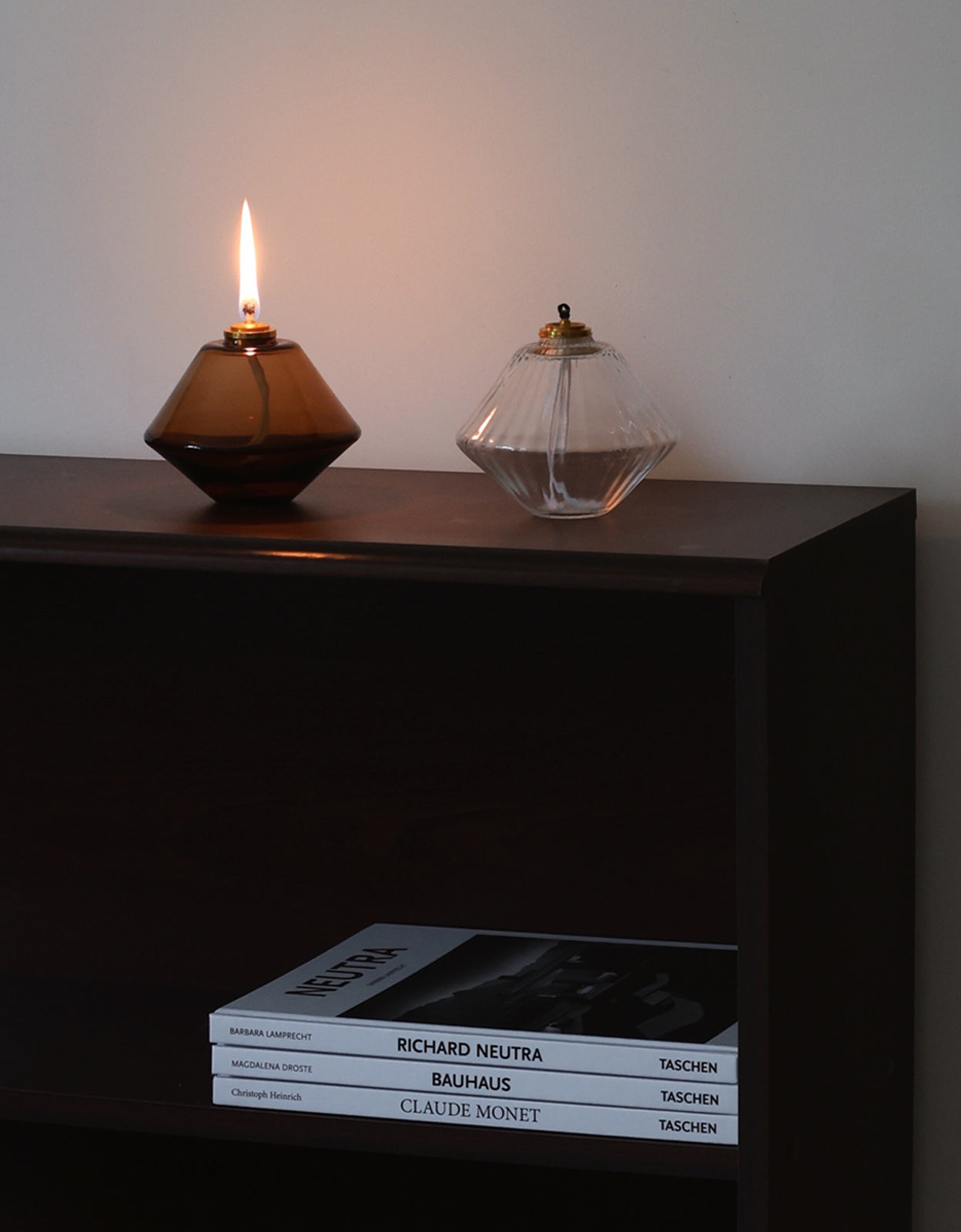
The bond between glass and fire is intimate and ancient. Fire created glass; glass now contains and showcases fire. When you light an oil lamp, the flame glows through transparent walls that were themselves forged in flame. There's a poetry to this—fire displaying itself through its own creation.
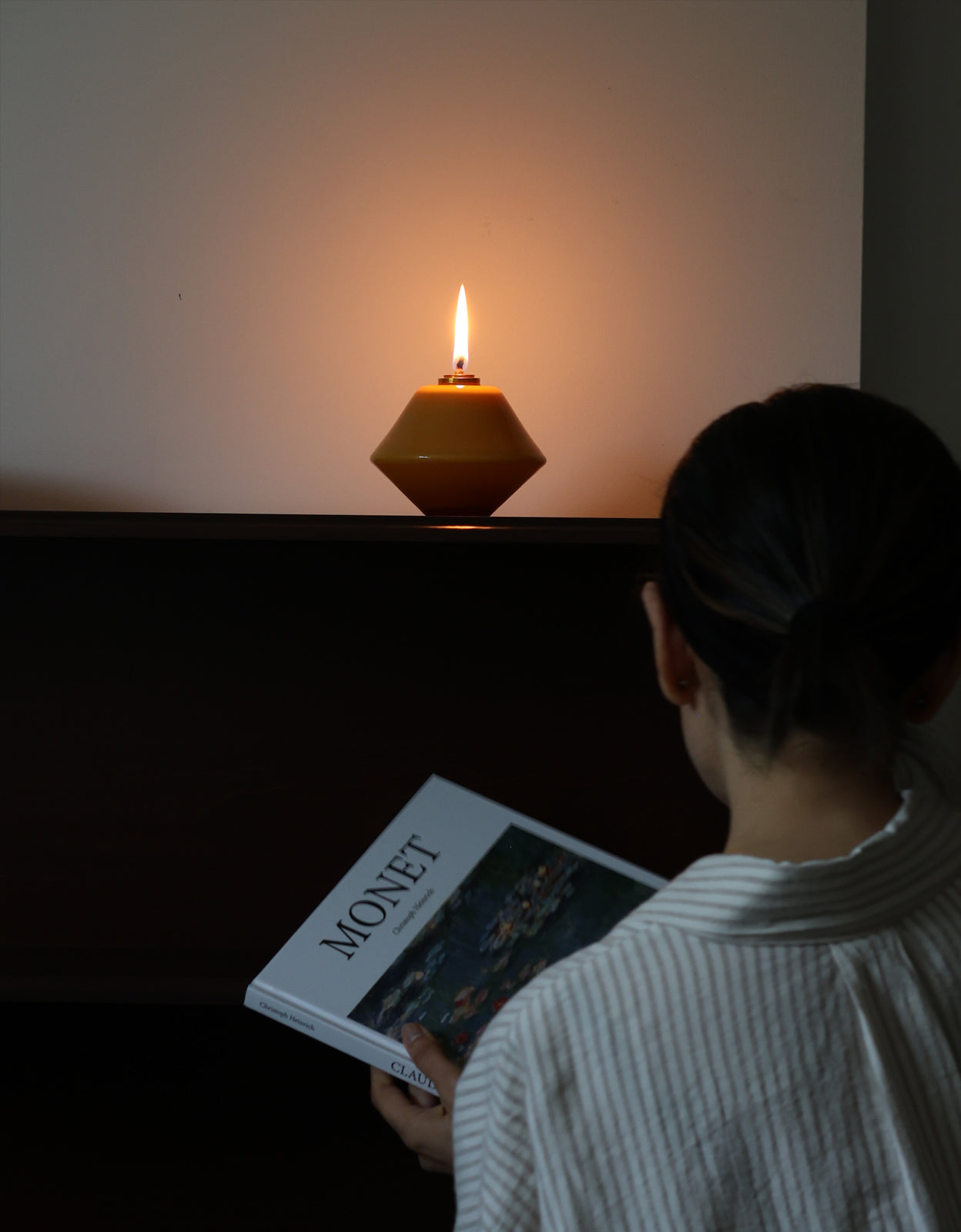
Glass doesn't just contain the flame; it amplifies and focuses the light, casting it outward while remaining cool to the touch. The transparency allows you to see the entire flame, to watch it breathe and dance, to connect with fire in a way that opaque materials don't allow. You're not just seeing light—you're witnessing the flame itself, alive and moving.
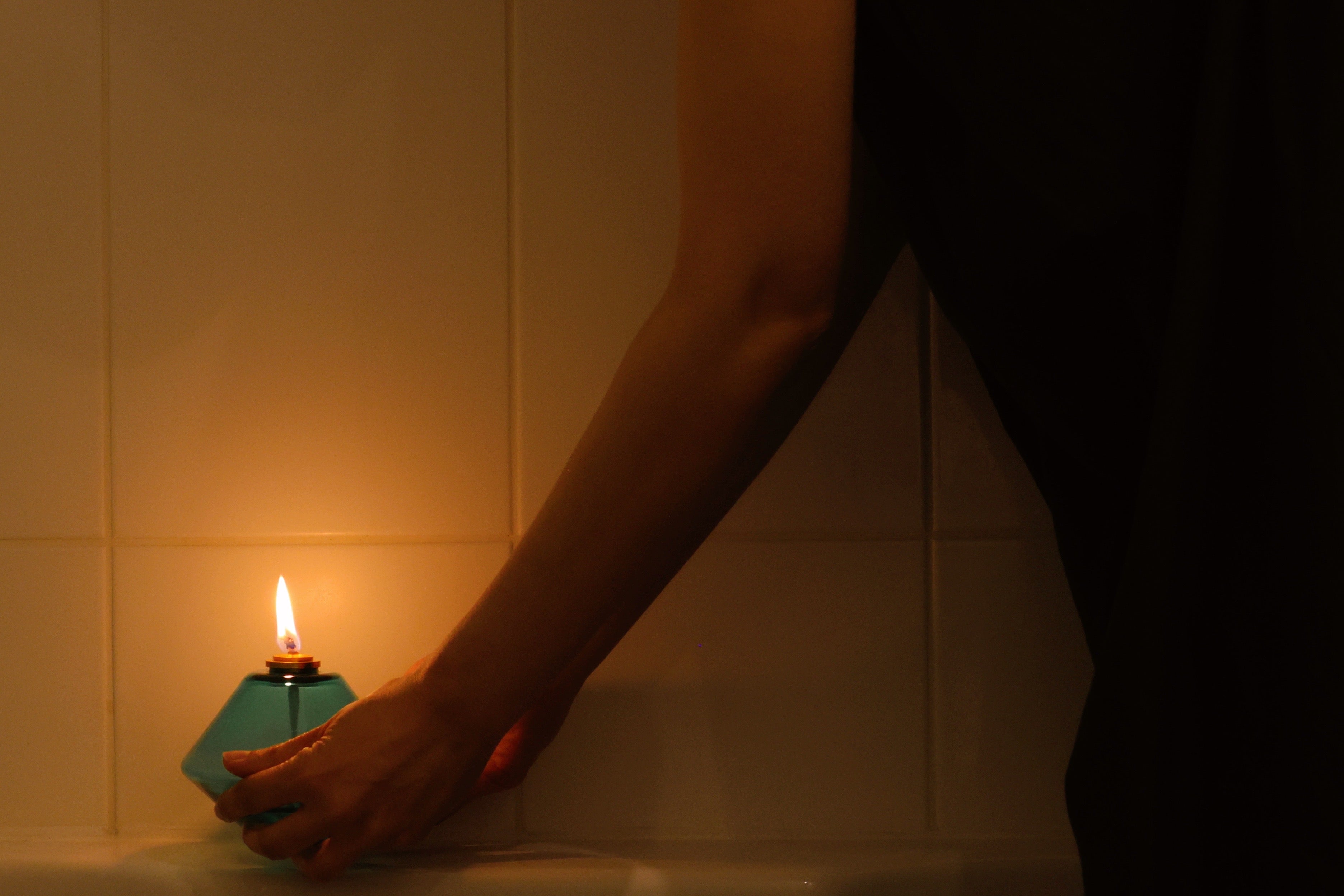
The triangular geometry of AKI's design, crafted in hand-blown glass, creates stability and simplicity. It fits comfortably in your palm, allowing you to cherish and protect its light—a physical reminder that we all carry our own inner light that needs tending.
A Material for Yesterday, Today, and Tomorrow
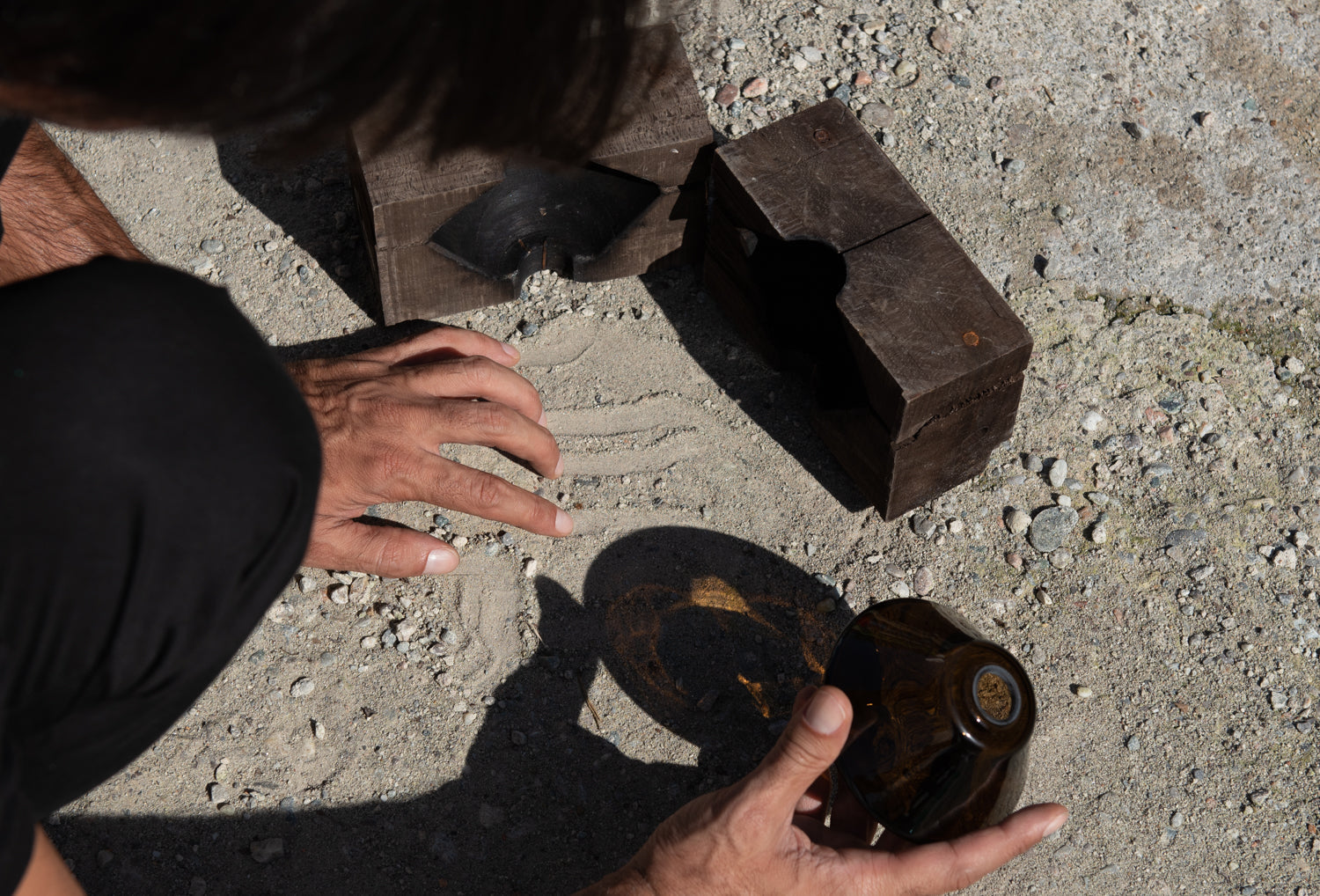
Glass connects us across time. The techniques used to create an AKI lamp—free-blowing and mold-blowing—are essentially unchanged from methods perfected thousands of years ago. Each lamp is hand-blown by European master glassblowers who learned their craft through years of apprenticeship, just as glassmakers have for centuries.
Yet glass is utterly contemporary. It enables fiber optic communication, solar panels, touchscreens, and augmented reality devices. Artists like Dale Chihuly push glass into new territories of color and form. Engineers develop applications we haven't yet imagined.
This duality—ancient technique, modern application—mirrors what AKI represents. We're not asking you to live in the past. We're inviting you to bring ancient wisdom into your contemporary life, to recognize that some human needs transcend time.
The Alchemy of Fire
Fire is the ultimate alchemist. It destroys to create, melts to transform, reshapes elements into objects of utility and beauty. Glass is fire's most elegant gift—a material that captures light, creates transparency, and lasts for millennia.
When you hold an AKI oil lamp, you're holding this transformation in your hands. Sand became liquid in a furnace's heat, was shaped by human breath and skill, then cooled into solid form. Now it holds flame—the same element that created it—bringing light and warmth into your home.
This is the magic of glass: it's both the child of fire and fire's vessel. It's both ancient and modern, fragile and strong, common and precious. It's a material that serves everyone equally while remaining endlessly fascinating.
In a world of plastic and disposable objects, glass reminds us that some materials are worth keeping, worth passing down, worth choosing again and again. It connects us to thousands of years of human craft and ingenuity while serving perfectly modern needs.
That's not magic—it's something better. It's the wisdom of choosing materials that honor both past and future, that serve everyone equally, that transform simple elements into lasting beauty.
And it all begins with fire.